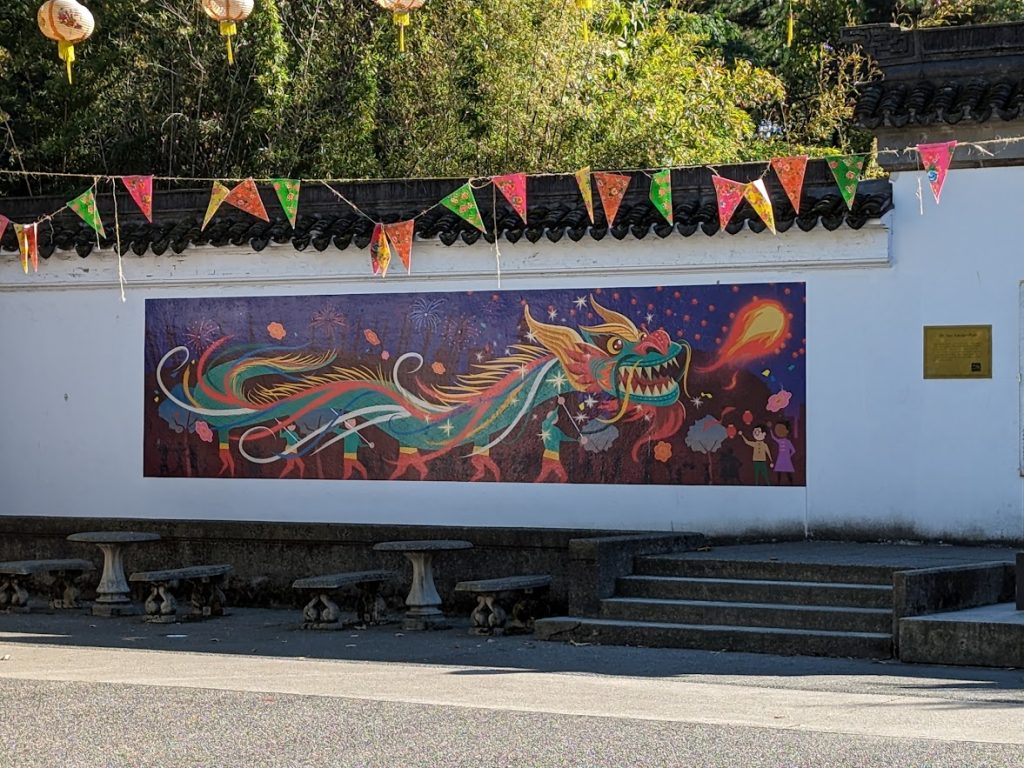
The Legacy of Canadian Chinatowns
Canada’s Chinatowns represent more than historic districts—they are living testaments to resilience, cultural preservation, and community strength. Beginning in the mid-1800s with the arrival of Chinese immigrants during the Gold Rush and railway construction, these neighborhoods emerged as sanctuaries where Chinese Canadians could maintain their cultural identity amid systemic discrimination and exclusionary policies.
Despite facing the Chinese Immigration Act of 1885 (which imposed head taxes) and the complete immigration ban from 1923 to 1947, Chinese Canadian communities persevered. Chinatowns became centers of mutual support, offering newcomers housing, employment, cultural connection, and protection from racism. These districts housed family associations, temples, community organizations, and businesses that sustained both cultural traditions and economic survival.
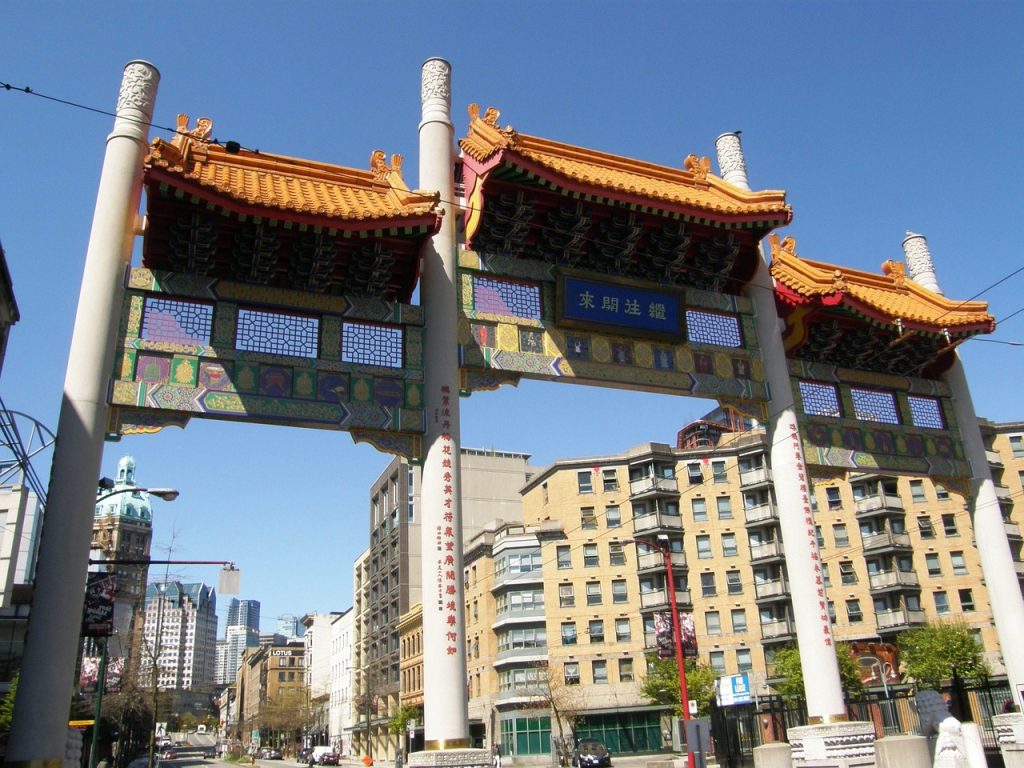
Today, Canadian Chinatowns continue to evolve while honouring their heritage. They serve as cultural anchors celebrating Chinese festivals, preserving Cantonese and Mandarin languages, showcasing traditional arts, and fostering intergenerational connections. From Vancouver’s historic laneway houses to Toronto’s bustling markets, from Montreal’s architectural gates to smaller communities across the nation, these neighbourhoods remain vital spaces where Chinese Canadian identity flourishes and welcomes all Canadians to experience rich cultural traditions.
Chinatowns are often framed as neighborhoods in need of saving. In reality, they are places Canada should be learning from. For generations, Chinatowns have quietly solved problems cities are now scrambling to address: affordable density, mixed-use living, small business ecosystems, newcomer integration, and strong social ties. Long before these ideas had names, Chinatowns were already practicing them — housing above shops, walkable streets, intergenerational care, and community-led programming that keeps people connected.
Events like mahjong nights, night markets, tai chi in public spaces, and cultural festivals aren’t just celebrations — they are social infrastructure. They activate streets, reduce isolation, support local economies, and create belonging at low cost and high impact.
Chinatowns are living examples of resilient, people-centred urbanism — and they point toward solutions for housing, economic development, and community at a time when Canada needs them most.
As demographic shifts and urban development present new challenges, supporting our Chinatowns means preserving essential pieces of Canadian history and ensuring these vibrant communities thrive for generations to come.